
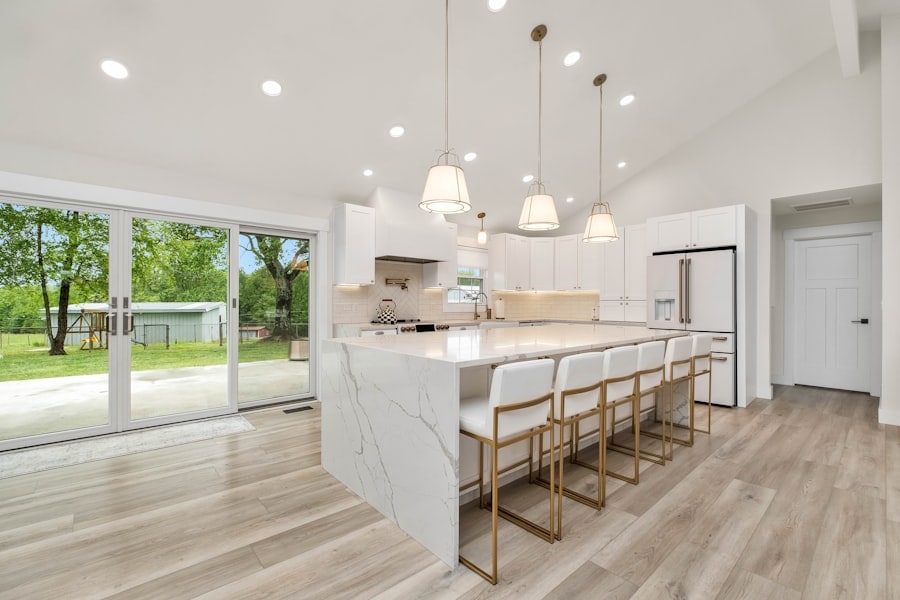
Updating your home’s interior design doesn’t always require a complete overhaul or a hefty budget. There are numerous quick and easy methods to refresh your space, allowing you to achieve a new look without the stress of extensive renovations. One of the simplest ways to make a significant impact is through the strategic rearrangement of furniture.
By moving pieces around, you can create new focal points and improve the flow of your space. For instance, shifting a sofa from one wall to another can open up the room, making it feel larger and more inviting. Additionally, consider swapping out smaller items like throw pillows or decorative accessories; these changes can breathe new life into your existing decor.
Another effective approach is to incorporate new textiles. Changing out your curtains, area rugs, or even bed linens can dramatically alter the ambiance of a room. Opting for lighter fabrics in the summer months can create a breezy feel, while heavier materials in the winter can add warmth and coziness.
Furthermore, adding a few indoor plants can enhance the aesthetic appeal and improve air quality, making your home feel more vibrant and alive. These small adjustments can collectively transform your space, making it feel fresh and updated without requiring extensive time or financial investment.
Key Takeaways
- Simple updates like changing color palettes and window treatments can quickly refresh your home’s interior.
- Minimalist design and open layouts create a modern, airy atmosphere.
- Incorporating smart home technology and statement lighting adds a contemporary edge.
- Using sustainable materials and natural elements promotes an eco-friendly, organic feel.
- Personal art and decor choices make your space uniquely modern and inviting.
Incorporating Minimalist Design Elements for a Modern Look
Minimalism has become synonymous with modern design, emphasizing simplicity and functionality while eliminating excess. To incorporate minimalist design elements into your home, start by decluttering your space. This means removing items that do not serve a purpose or bring you joy.
A clean, uncluttered environment not only looks more appealing but also promotes a sense of calm and order. Once you’ve cleared out unnecessary items, focus on selecting furniture and decor that embody clean lines and simple forms. For example, a sleek coffee table with a glass top can create an airy feel in your living room, while a low-profile bed frame can enhance the serenity of your bedroom.
In addition to furniture choices, consider the use of color and materials in your minimalist design approach. Neutral color palettes—think whites, grays, and beiges—can create a cohesive look that feels both modern and timeless. Incorporating natural materials such as wood, stone, or metal can add warmth and texture without overwhelming the senses.
For instance, a wooden dining table paired with metal chairs can strike the perfect balance between warmth and modernity. By focusing on quality over quantity and choosing pieces that resonate with your personal style, you can create a minimalist space that feels both inviting and sophisticated.
Choosing the Right Color Palette to Refresh Your Space

Color has an undeniable impact on the mood and perception of a space. When refreshing your home’s interior design, selecting the right color palette is crucial. Start by considering the atmosphere you wish to create in each room.
For example, soft blues and greens can evoke tranquility in bedrooms or bathrooms, while vibrant yellows or oranges can energize a kitchen or living area. One effective strategy is to choose a base color that resonates with you and then build upon it with complementary shades. This layered approach allows for depth and interest without overwhelming the senses.
In addition to paint colors, consider incorporating accent colors through decor items such as cushions, artwork, or rugs. These accents can be easily changed out seasonally or whenever you desire a new look. For instance, if you choose a neutral base for your living room walls, adding bright red or teal throw pillows can instantly inject personality into the space.
Furthermore, experimenting with different finishes—such as matte versus glossy—can also influence how colors are perceived in your home. By thoughtfully selecting and combining colors, you can create an environment that reflects your style while enhancing the overall aesthetic of your home.
Updating Your Furniture and Decor for a Contemporary Feel
Furniture plays a pivotal role in defining the character of your home’s interior design. To achieve a contemporary feel, consider updating key pieces with modern designs that reflect current trends while still being functional. For instance, opting for furniture with geometric shapes or asymmetrical designs can add an element of surprise and intrigue to your space.
A sectional sofa with clean lines or an angular coffee table can serve as statement pieces that anchor the room while providing comfort and utility. In addition to furniture updates, accessorizing with contemporary decor items is essential for achieving a cohesive look. Look for artwork that features bold colors or abstract designs to create visual interest on your walls.
Sculptural vases or unique decorative objects can also serve as conversation starters while enhancing the overall aesthetic of your home. When selecting decor items, aim for pieces that resonate with your personal style but also align with contemporary design principles—think about balance, proportion, and harmony within the space. By thoughtfully updating both furniture and decor, you can create an inviting atmosphere that feels fresh and modern.
Incorporating Smart Home Technology for a Modern Touch
| Update | Description | Estimated Time to Complete | Impact on Modern Look | Cost Range |
|---|---|---|---|---|
| Paint Walls with Neutral Colors | Use shades like white, beige, or gray to create a clean, modern backdrop. | 1-2 days | High | Low |
| Update Lighting Fixtures | Replace outdated fixtures with sleek, minimalist designs or smart lighting. | 1 day | High | Medium |
| Replace Cabinet Hardware | Swap old knobs and pulls for modern metal or matte finishes. | Few hours | Medium | Low |
| Add Statement Rugs | Introduce geometric or abstract patterned rugs to add texture and style. | Immediate | Medium | Medium |
| Incorporate Open Shelving | Replace some upper cabinets with open shelves for a contemporary feel. | 1-2 days | High | Medium |
| Use Minimalist Furniture | Choose furniture with clean lines and simple forms to modernize spaces. | Varies | High | Medium to High |
| Declutter and Organize | Remove unnecessary items and use smart storage solutions. | 1-3 days | High | Low |
| Install Large Mirrors | Use mirrors to enhance light and create a sense of space. | Few hours | Medium | Low to Medium |
The integration of smart home technology has revolutionized how we interact with our living spaces, offering convenience and efficiency while enhancing modern design aesthetics. One of the most accessible ways to incorporate smart technology is through lighting systems that can be controlled via smartphone apps or voice commands. Smart bulbs allow you to adjust brightness levels or change colors based on your mood or time of day, creating an adaptable environment that suits various activities—from hosting gatherings to enjoying quiet evenings at home.
Beyond lighting, consider integrating smart thermostats that learn your heating and cooling preferences over time, optimizing energy usage while maintaining comfort. Smart speakers can also serve dual purposes: providing entertainment while acting as control hubs for other smart devices in your home. When selecting technology for your space, prioritize sleek designs that blend seamlessly with your decor rather than detracting from it.
By thoughtfully incorporating smart home technology, you not only enhance functionality but also elevate the overall modern aesthetic of your interior design.
Adding Statement Lighting to Elevate Your Space

Lighting is often an overlooked aspect of interior design; however, it has the power to transform any room dramatically. Statement lighting fixtures—such as oversized chandeliers or unique pendant lights—can serve as focal points that draw attention and elevate the overall aesthetic of your space. For example, a striking geometric pendant light above a dining table can create an eye-catching centerpiece while providing essential illumination for meals and gatherings.
In addition to functional lighting, consider layering different types of lighting throughout your home to create depth and ambiance. Combining ambient lighting (general illumination), task lighting (focused light for specific activities), and accent lighting (highlighting artwork or architectural features) allows for versatility in how spaces are experienced at different times of day. Dimmers are also an excellent addition; they enable you to adjust brightness levels according to mood or occasion.
By carefully selecting statement lighting fixtures and employing layered lighting techniques, you can enhance both the functionality and beauty of your home’s interior design.
Incorporating Sustainable and Eco-Friendly Design Elements
As awareness of environmental issues grows, many homeowners are seeking ways to incorporate sustainable practices into their interior design choices. One effective approach is to select eco-friendly materials when updating furniture or decor items. For instance, choosing reclaimed wood for furniture not only adds character but also reduces waste by repurposing materials that would otherwise be discarded.
Similarly, opting for organic fabrics—such as cotton or linen—can minimize exposure to harmful chemicals often found in conventional textiles. In addition to material choices, consider energy-efficient appliances and fixtures that reduce energy consumption while enhancing functionality in your home. LED lighting is an excellent example; it uses significantly less energy than traditional bulbs while lasting much longer.
Furthermore, incorporating plants into your interior design not only adds beauty but also improves air quality by filtering toxins from the environment. By prioritizing sustainability in your design choices, you contribute positively to the planet while creating a healthier living space for yourself and future generations.
Creating Open and Airy Spaces with Strategic Layout Changes
The layout of a room significantly influences how spacious it feels; therefore, making strategic changes can create an open and airy atmosphere in your home. Start by evaluating the flow of each room—are there unnecessary barriers or furniture pieces that disrupt movement? Removing bulky furniture or reconfiguring seating arrangements can help open up pathways and create a more inviting environment.
For example, replacing a large coffee table with smaller ottomans can free up floor space while still providing seating options. Another effective strategy is to utilize mirrors strategically throughout your home. Mirrors reflect light and create an illusion of depth, making spaces appear larger than they are.
Placing a large mirror opposite a window can maximize natural light while enhancing the overall brightness of the room. Additionally, consider using lighter colors on walls and ceilings; these hues reflect light better than darker shades, contributing to an open feel. By thoughtfully adjusting layouts and utilizing reflective surfaces, you can transform cramped areas into airy retreats.
Incorporating Natural Elements for a Modern and Organic Feel
Bringing natural elements into your interior design not only enhances aesthetics but also fosters a sense of connection with nature—a concept increasingly valued in modern living spaces. Start by incorporating organic materials such as wood, stone, or bamboo into furniture pieces or decor items. A reclaimed wood dining table or stone accent wall can serve as stunning focal points while adding warmth and texture to your home.
In addition to materials, consider integrating greenery through houseplants or vertical gardens. Plants not only purify the air but also add life and vibrancy to any room. Choose low-maintenance varieties like succulents or snake plants if you’re concerned about upkeep; these options thrive in various conditions while still providing visual appeal.
Furthermore, natural light plays a crucial role in creating an organic feel; maximizing window space or using sheer curtains allows sunlight to flood in, enhancing both mood and ambiance within your home.
Updating Your Window Treatments for a Fresh Look
Window treatments play an essential role in both functionality and aesthetics within any room; therefore, updating them can significantly refresh your space’s overall look. Consider replacing heavy drapes with lighter options such as sheer curtains or roller shades that allow natural light to filter through while maintaining privacy. This change not only brightens up the room but also creates an airy atmosphere conducive to relaxation.
When selecting new window treatments, think about color and texture as well; these elements can enhance existing decor while adding depth to your design scheme. For instance, opting for textured linen curtains in soft earth tones can complement wooden furniture beautifully while providing visual interest without overwhelming the space. Additionally, consider layering treatments—pairing sheer curtains with blackout shades allows for versatility in controlling light levels throughout the day while adding dimension to windows.
Incorporating Art and Personal Touches for a Modern and Unique Space
Art is one of the most powerful tools in interior design; it has the ability to convey personality while enhancing visual interest within any room. When updating your home’s interior design, consider incorporating artwork that resonates with you personally—whether it’s paintings from local artists or photographs from memorable travels—these pieces tell your story while adding character to your space. In addition to traditional artwork, think about displaying personal collections or unique finds that reflect your interests and experiences; this could include anything from vintage books arranged on shelves to handmade pottery displayed on countertops.
These personal touches not only make your home feel more inviting but also create opportunities for conversation when hosting guests. By thoughtfully curating art and personal items throughout your home, you cultivate an environment that feels distinctly yours—modern yet infused with individuality.
If you’re looking to modernize your home quickly, consider exploring the article on Maximizing Space with Smart Remodeling. This resource offers practical tips and innovative ideas that can help you make the most of your available space while enhancing the overall aesthetic of your home. By integrating these smart remodeling strategies, you can achieve a contemporary look and feel in no time.
FAQs
What are some quick interior design updates to modernize my home?
Some quick updates include repainting walls with neutral or trendy colors, updating light fixtures, adding modern hardware to cabinets and doors, incorporating contemporary artwork, and rearranging furniture for better flow.
How can lighting impact the modern look of a home?
Lighting plays a crucial role in modernizing a space. Using sleek, minimalist fixtures, adding dimmers, and incorporating layered lighting such as ambient, task, and accent lights can create a contemporary and inviting atmosphere.
Are there specific color schemes that help modernize a home?
Yes, modern interiors often feature neutral palettes like whites, grays, and beiges, sometimes accented with bold colors such as navy, black, or vibrant hues. Monochromatic schemes and contrasting tones also contribute to a modern aesthetic.
What role does furniture play in updating a home’s interior design?
Furniture with clean lines, minimal ornamentation, and functional design helps create a modern look. Opting for pieces made from materials like metal, glass, or light-colored wood can enhance the contemporary feel.
Can small decorative changes make a big difference in modernizing a home?
Absolutely. Swapping out throw pillows, adding modern rugs, updating curtains, and incorporating trendy accessories like geometric vases or abstract art can quickly refresh a space without major renovations.
Is it necessary to renovate the entire home to achieve a modern look?
No, you can modernize your home incrementally by focusing on key areas such as the living room or kitchen, or by making small updates like changing paint colors, lighting, and decor to achieve a modern feel.
How important is decluttering in modern interior design?
Decluttering is very important as modern design emphasizes simplicity and clean spaces. Removing unnecessary items and organizing belongings can instantly make a home feel more modern and spacious.
What materials are commonly used in modern interior design?
Common materials include glass, metal, concrete, natural wood, and engineered materials like laminate or quartz. These materials often have smooth finishes and contribute to a sleek, modern aesthetic.
Can technology integration help modernize my home?
Yes, incorporating smart home technology such as automated lighting, thermostats, and security systems can enhance convenience and add a modern touch to your home’s design.
Where can I find inspiration for modern interior design updates?
Inspiration can be found in design magazines, websites, social media platforms like Pinterest and Instagram, home improvement shows, and by visiting modern furniture stores or showrooms.