
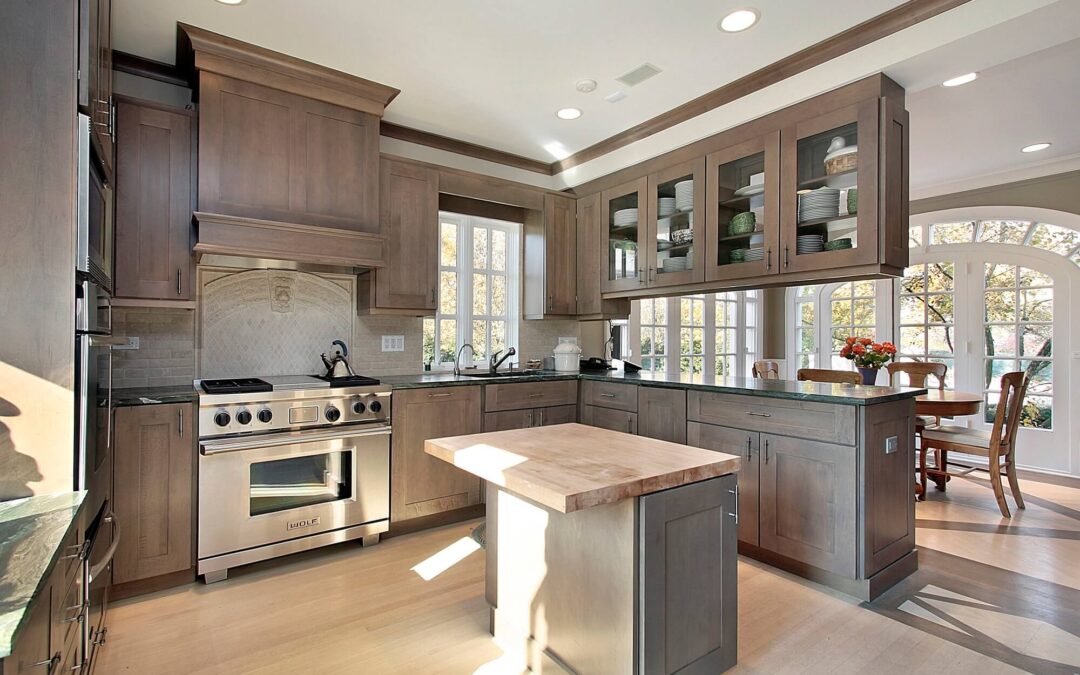
Structural modifications are pivotal in enhancing the functionality, safety, and aesthetic appeal of a building. These changes can range from minor adjustments, such as reinforcing a wall, to major renovations like adding an entire new floor. The importance of these modifications cannot be overstated, as they often address critical issues related to the integrity of the structure.
For instance, a home built in an area prone to earthquakes may require seismic retrofitting to ensure it can withstand tremors. Similarly, a house that has experienced water damage may need structural modifications to prevent further deterioration and ensure the safety of its occupants. Moreover, structural modifications can significantly increase a property’s market value.
Homebuyers are often drawn to properties that have been updated or modified to meet modern standards and preferences. For example, an open floor plan is highly sought after in contemporary home design, and achieving this may require removing load-bearing walls. Such modifications not only enhance the living experience but also make the property more appealing in a competitive real estate market.
Therefore, understanding the importance of structural modifications is essential for homeowners looking to improve their living spaces while safeguarding their investments.
Key Takeaways
- Structural modifications require careful assessment and professional expertise to ensure safety and compliance.
- Hiring a qualified structural engineer and obtaining necessary permits are crucial steps before starting any modifications.
- Budgeting should account for all costs, including potential impacts on home insurance and unforeseen expenses.
- Clear communication with neighbors and homeowners associations helps prevent conflicts and ensures smooth project progress.
- Maintaining thorough documentation of all modifications supports future maintenance, resale, and legal compliance.
Identifying the Need for Structural Modifications
Recognizing when structural modifications are necessary is a critical first step in the renovation process. Homeowners should be vigilant about signs that indicate potential structural issues. Common indicators include visible cracks in walls or ceilings, doors and windows that stick or do not close properly, and uneven floors.
These symptoms can suggest underlying problems such as foundation settlement or water intrusion, which may necessitate immediate attention. Conducting regular inspections can help identify these issues early on, allowing for timely interventions that can prevent more extensive damage down the line. In addition to physical signs, changes in lifestyle or family dynamics can also signal the need for structural modifications.
For instance, a growing family may require additional bedrooms or living space, prompting homeowners to consider expanding their homes. Alternatively, as families age, they may seek to modify their homes for accessibility, such as installing ramps or widening doorways. Understanding these needs is crucial for homeowners who wish to create a living environment that accommodates their current and future requirements.
Hiring a Qualified Structural Engineer

Once the need for structural modifications has been identified, hiring a qualified structural engineer becomes paramount. Structural engineers possess specialized knowledge and expertise that are essential for assessing the integrity of a building and designing appropriate modifications. They can evaluate existing structures to determine their load-bearing capabilities and recommend solutions that comply with safety standards and building codes.
For example, if a homeowner wishes to remove a load-bearing wall to create an open-concept space, a structural engineer can provide calculations and designs that ensure the remaining structure remains stable. When selecting a structural engineer, it is important to consider their qualifications and experience. Homeowners should look for professionals who are licensed and have a proven track record in similar projects.
Checking references and reviewing past work can provide insight into the engineer’s capabilities and reliability. Additionally, effective communication is crucial; homeowners should feel comfortable discussing their ideas and concerns with the engineer to ensure that their vision aligns with practical engineering solutions.
Obtaining Permits and Approvals
Before commencing any structural modifications, obtaining the necessary permits and approvals is essential. Most municipalities require permits for significant alterations to ensure that the work complies with local building codes and regulations. The process typically involves submitting detailed plans and specifications to the local building department for review.
This step is crucial not only for legal compliance but also for ensuring that the modifications are safe and structurally sound. The permitting process can vary significantly depending on the scope of the project and local regulations. Homeowners should be prepared for potential delays as they navigate this process, as approvals may take time due to inspections and reviews by various departments.
Engaging with local authorities early in the planning stages can help streamline this process and clarify any specific requirements that must be met. Understanding the importance of permits can save homeowners from costly fines or having to undo work that was completed without proper authorization.
Budgeting for Structural Modifications
| Aspect | Details | Importance | Typical Considerations |
|---|---|---|---|
| Permits & Approvals | Required from local building authorities before starting modifications | High | Check local codes, submit plans, wait for approval |
| Structural Engineer Consultation | Assessment of load-bearing walls and foundation impact | High | Hire licensed engineer, get structural report |
| Load-Bearing Walls | Walls that support weight of the structure above | Critical | Identify correctly before removal or alteration |
| Material Quality | Use of appropriate and durable materials for modifications | Medium | Match existing structure, ensure compliance with standards |
| Contractor Selection | Hiring qualified and licensed professionals | High | Check references, verify licenses, review contracts |
| Cost Estimates | Budgeting for materials, labor, permits, and contingencies | Medium | Get multiple quotes, plan for unexpected expenses |
| Timeline | Expected duration of the modification project | Medium | Consider weather, permit processing, contractor availability |
| Safety Measures | Ensuring site safety during and after modifications | High | Use protective gear, secure site, follow safety codes |
| Impact on Home Value | How modifications affect resale value | Medium | Consider market trends, quality of work |
| Insurance | Coverage for damages or accidents during modifications | High | Notify insurer, update policy if needed |
Budgeting for structural modifications requires careful planning and consideration of various factors. Homeowners must account for not only the direct costs of materials and labor but also potential unforeseen expenses that may arise during construction. For instance, once walls are opened up during renovations, hidden issues such as outdated electrical wiring or plumbing problems may be discovered, necessitating additional funds for repairs.
Therefore, it is prudent to set aside a contingency fund—typically around 10-20% of the total budget—to cover these unexpected costs. Additionally, obtaining multiple quotes from contractors can help homeowners gauge the market rates for their specific project. It is essential to balance cost with quality; opting for the cheapest option may lead to subpar workmanship or materials that could compromise the integrity of the modifications.
Homeowners should also consider long-term costs associated with maintenance and energy efficiency when budgeting. Investing in high-quality materials or energy-efficient systems may result in higher upfront costs but can lead to significant savings over time.
Potential Impact on Home Insurance

Structural modifications can have significant implications for home insurance policies. When homeowners undertake major renovations or alterations, it is crucial to inform their insurance provider about these changes. Failing to do so could result in inadequate coverage or complications during claims processes if damage occurs post-modification.
For example, if a homeowner adds a new room but does not update their policy, they may find themselves underinsured in the event of a loss related to that addition. Moreover, certain modifications may even lead to changes in insurance premiums. Enhancements that improve safety—such as installing a new roof or upgrading electrical systems—can potentially lower premiums due to reduced risk factors.
Conversely, significant alterations that increase the overall value of the home may result in higher premiums. Homeowners should review their insurance policies regularly and consult with their agents to ensure they have appropriate coverage that reflects their home’s current state.
Choosing the Right Contractor
Selecting the right contractor is a critical component of successfully executing structural modifications. A skilled contractor not only brings technical expertise but also plays a vital role in project management, ensuring that work is completed on time and within budget. Homeowners should seek contractors with experience in similar projects and verify their credentials through references and reviews from previous clients.
Engaging with multiple contractors during the bidding process allows homeowners to compare proposals and assess which contractor aligns best with their vision and budget. Effective communication is key when working with contractors. Homeowners should clearly articulate their expectations, timelines, and any specific requirements they have for the project.
Establishing a written contract that outlines all aspects of the work—including payment schedules, materials used, and timelines—can help prevent misunderstandings later on. Additionally, maintaining open lines of communication throughout the project allows homeowners to address any concerns promptly and ensures that the work progresses smoothly.
Communicating with Neighbors and Homeowners Associations
Effective communication with neighbors and homeowners associations (HOAs) is an often-overlooked aspect of undertaking structural modifications. Major renovations can impact surrounding properties—whether through noise, dust, or changes in aesthetics—so it is courteous to inform neighbors about upcoming projects. This proactive approach can foster goodwill and minimize potential conflicts during construction.
In communities governed by HOAs, it is essential to review any guidelines or restrictions related to structural modifications before proceeding with plans. Many HOAs have specific rules regarding exterior changes, landscaping, or even color schemes that must be adhered to in order to maintain community standards. Engaging with HOA representatives early in the planning process can help ensure compliance with these regulations and avoid potential disputes down the line.
Ensuring Compliance with Building Codes
Compliance with building codes is a fundamental aspect of any structural modification project. Building codes are established by local governments to ensure safety, health, and welfare standards are met in construction practices. These codes dictate various aspects of construction—from materials used to structural integrity—and vary significantly from one jurisdiction to another.
Homeowners must familiarize themselves with these codes relevant to their area before commencing any work. Working closely with structural engineers and contractors who understand local building codes is crucial for ensuring compliance throughout the project. Failure to adhere to these regulations can result in fines, mandatory alterations, or even legal action if safety standards are compromised.
Additionally, obtaining necessary inspections during construction helps verify compliance at various stages of the project, providing peace of mind that all work meets required standards.
Understanding the Long-Term Implications
When considering structural modifications, it is essential for homeowners to think beyond immediate benefits and understand long-term implications as well. Modifications can significantly alter how a home functions over time; therefore, it is important to consider how changes will accommodate future needs or lifestyle changes. For instance, adding extra bedrooms may serve current family needs but could also enhance resale value down the line.
Furthermore, homeowners should consider how structural changes might affect energy efficiency and maintenance requirements in the long run. Upgrading insulation or installing energy-efficient windows during renovations can lead to substantial savings on utility bills over time while improving overall comfort within the home. Conversely, poorly planned modifications could lead to increased maintenance costs or decreased energy efficiency if not executed thoughtfully.
Maintaining Documentation for Future Reference
Maintaining thorough documentation throughout the process of structural modifications is vital for future reference and potential resale of the property. Homeowners should keep records of all plans, permits, contracts, invoices, and correspondence related to the project. This documentation serves multiple purposes: it provides proof of compliance with local regulations, helps track expenses against budgeted amounts, and offers valuable information for future renovations or repairs.
In addition to serving as a historical record of improvements made to the property, this documentation can be beneficial when selling the home. Prospective buyers often appreciate having access to detailed information about renovations and upgrades performed on a property; it provides them with confidence regarding the quality of work completed and any warranties associated with those improvements. By maintaining organized records, homeowners not only protect their investment but also enhance its marketability when it comes time to sell.
When considering structural modifications to your home, it’s essential to understand the broader context of home remodeling trends and their potential impact on property value. For homeowners looking to enhance their living spaces, a related article titled Top Home Remodeling Upgrades for 2025 That Add Value and Style provides valuable insights into the most sought-after upgrades that can complement structural changes. This resource can help you make informed decisions that align with current market trends while ensuring your modifications are both functional and aesthetically pleasing.
FAQs
What are structural modifications in a home?
Structural modifications refer to changes made to the load-bearing elements of a house, such as walls, beams, columns, and foundations. These changes can affect the stability and safety of the building.
Why is it important to get approval before making structural modifications?
Approval from local building authorities ensures that the modifications comply with safety codes and regulations. Unauthorized changes can lead to legal issues, fines, and potential safety hazards.
Do I need a professional to assess structural modifications?
Yes, it is highly recommended to consult with a licensed structural engineer or architect. They can evaluate the impact of the proposed changes and provide safe, compliant design solutions.
What permits are required for structural modifications?
Most jurisdictions require a building permit for structural changes. The specific permits depend on the scope of work and local regulations. Homeowners should check with their local building department.
Can structural modifications affect my home insurance?
Yes, making structural changes without proper permits or inspections can void your home insurance policy. Always inform your insurance provider about any modifications to ensure coverage remains valid.
How can structural modifications impact the value of my home?
Properly executed structural modifications can increase a home’s value by improving functionality and aesthetics. However, poor or unapproved changes can decrease value and deter potential buyers.
What are common examples of structural modifications?
Common modifications include removing or adding load-bearing walls, installing new beams or columns, foundation repairs, and adding extensions or additional floors.
How long does the approval process for structural modifications usually take?
The timeline varies by location and project complexity but typically ranges from a few weeks to a couple of months. Early planning and submission of complete documentation can help expedite the process.
Are there risks involved with structural modifications?
Yes, improper modifications can compromise the building’s integrity, leading to safety hazards such as collapse or damage. Professional guidance and adherence to codes minimize these risks.
Can I make structural modifications myself?
While minor cosmetic changes can be DIY, structural modifications require professional expertise and permits. Homeowners should hire qualified contractors to ensure safety and compliance.