Home improvements include various projects designed to enhance a residence’s functionality, appearance, and market value. These projects range from minor cosmetic updates to major renovations requiring substantial financial investment and detailed planning. Homeowners typically pursue improvements to increase comfort, boost property value, or modernize outdated elements of their homes.
The scope of home improvement projects varies considerably based on budget, objectives, and property characteristics. Minor improvements may include painting, fixture updates, or landscaping modifications, while major renovations can involve structural changes, room additions, or complete system overhauls. Each category of improvement offers distinct benefits and requires different levels of expertise, time commitment, and financial resources.
Several factors influence homeowners’ decisions to pursue improvement projects. Life changes such as family expansion, aging in place, or lifestyle modifications often drive renovation needs. Market conditions, energy efficiency concerns, and technological advances also impact improvement choices.
Additionally, maintenance requirements and the desire to prevent costly repairs can motivate proactive home updates. Home improvements typically provide both immediate and long-term benefits. Immediate advantages include enhanced comfort, improved functionality, and increased satisfaction with living spaces.
Long-term benefits often include higher property values, reduced maintenance costs, and improved energy efficiency. However, the return on investment varies significantly depending on the type of improvement, local market conditions, and quality of execution.
Key Takeaways
- Home improvements can enhance comfort, functionality, and property value.
- Kitchen and bathroom renovations are top priorities for modernizing living spaces.
- Adding outdoor features like decks or patios boosts usability and curb appeal.
- Energy-efficient upgrades and smart home technology improve sustainability and convenience.
- Creating flexible spaces such as home offices and finishing basements maximizes usable area.
Kitchen Renovations
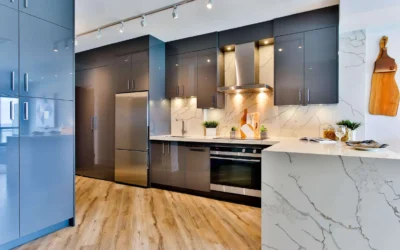
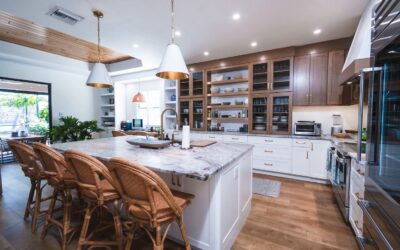
The kitchen is often regarded as the heart of the home, serving as a gathering place for family and friends. As such, kitchen renovations are among the most sought-after home improvement projects. A well-designed kitchen not only enhances functionality but also adds significant value to a property.
Homeowners may choose to update their kitchens for various reasons, including outdated appliances, insufficient storage, or a desire for a more modern aesthetic. When embarking on a kitchen renovation, it is essential to consider the layout and flow of the space. Open-concept designs have gained popularity in recent years, allowing for seamless interaction between the kitchen and adjacent living areas.
This design choice can be particularly beneficial for families who enjoy entertaining guests. Additionally, investing in high-quality materials such as granite countertops or custom cabinetry can elevate the overall look and feel of the kitchen while ensuring durability. Homeowners should also consider energy-efficient appliances that not only reduce utility bills but also contribute to a more sustainable lifestyle.
Bathroom Remodeling
Bathroom remodeling is another popular home improvement project that can yield impressive results. A well-designed bathroom can provide a sanctuary for relaxation and self-care, making it an essential space in any home. Homeowners often choose to remodel their bathrooms to address issues such as outdated fixtures, insufficient storage, or poor lighting.
The process typically involves updating elements like vanities, showers, tubs, and flooring to create a more functional and visually appealing environment. In recent years, trends in bathroom design have shifted towards creating spa-like retreats. Features such as rainfall showerheads, freestanding soaking tubs, and heated floors have become increasingly desirable.
Additionally, incorporating natural materials like stone and wood can enhance the overall ambiance of the space. Homeowners should also consider the importance of proper ventilation and lighting in bathroom design to ensure a comfortable and inviting atmosphere. By investing in a bathroom remodel, homeowners can significantly improve their daily routines while also increasing the resale value of their property.
Adding a Deck or Patio
Outdoor living spaces have become increasingly popular as homeowners seek to extend their living areas beyond the confines of their homes. Adding a deck or patio can provide an ideal setting for relaxation, entertainment, and outdoor dining. These structures not only enhance the aesthetic appeal of a property but also create functional spaces for family gatherings and social events.
When planning an outdoor addition, homeowners should consider factors such as location, materials, and design to ensure that the new space complements the existing architecture. Decks are often constructed from wood or composite materials, each offering distinct advantages. Wooden decks provide a classic look and can be stained or painted to match the home’s exterior.
Composite materials, on the other hand, require less maintenance and are resistant to rot and fading. Patios can be made from various materials such as concrete, pavers, or natural stone, allowing for greater customization in terms of design and layout. Incorporating features like built-in seating, fire pits, or outdoor kitchens can further enhance the functionality of these spaces, making them ideal for year-round enjoyment.
Energy-Efficient Upgrades
| Home Improvement | Average ROI (%) | Impact on Property Value | Typical Cost Range |
|---|---|---|---|
| Kitchen Remodel | 70-80 | High | 15,000 – 50,000 |
| Bathroom Remodel | 60-70 | High | 10,000 – 25,000 |
| Adding a Deck | 65-75 | Moderate to High | 8,000 – 15,000 |
| Window Replacement | 70-80 | Moderate | 7,000 – 15,000 |
| Roof Replacement | 60-70 | Moderate | 10,000 – 20,000 |
| Basement Remodel | 70-75 | High | 20,000 – 50,000 |
| Landscaping | 100-200 | High | 1,500 – 5,000 |
| Exterior Paint | 50-70 | Moderate | 3,000 – 7,000 |
As energy costs continue to rise and environmental concerns become more pressing, many homeowners are turning to energy-efficient upgrades as part of their home improvement plans. These upgrades not only reduce utility bills but also contribute to a more sustainable lifestyle by minimizing energy consumption. Common energy-efficient improvements include upgrading insulation, installing energy-efficient windows and doors, and replacing outdated heating and cooling systems.
Insulation plays a crucial role in maintaining comfortable indoor temperatures while reducing energy costs. Homeowners should assess their current insulation levels and consider adding insulation in attics, walls, and crawl spaces if necessary. Energy-efficient windows are designed to minimize heat transfer, keeping homes cooler in the summer and warmer in the winter.
Additionally, replacing old HVAC systems with modern units that feature programmable thermostats can lead to significant energy savings over time. By investing in energy-efficient upgrades, homeowners not only improve their living environment but also contribute positively to the planet.
Curb Appeal Enhancements

Curb appeal refers to the attractiveness of a property as viewed from the street and plays a vital role in creating a positive first impression. Enhancing curb appeal is an essential aspect of home improvement that can significantly impact property value and marketability. Homeowners looking to improve their home’s exterior should consider various elements such as landscaping, exterior paint, and architectural details.
Landscaping is one of the most effective ways to boost curb appeal. Well-maintained lawns, colorful flower beds, and strategically placed shrubs can create an inviting atmosphere that draws attention to the property. Additionally, updating exterior paint or siding can refresh the look of a home while protecting it from weather-related damage.
Architectural details such as new shutters, decorative trim, or updated front doors can also add character and charm to a residence. By focusing on curb appeal enhancements, homeowners can create an inviting exterior that reflects their personal style while increasing their property’s overall value.
Basement Finishing
Finishing a basement is an excellent way to maximize usable space within a home while adding significant value to the property. Many homeowners have underutilized basements that can be transformed into functional areas such as family rooms, guest suites, or recreational spaces. The process of finishing a basement typically involves addressing issues such as moisture control, insulation, and layout design to create a comfortable living environment.
Before beginning a basement finishing project, it is crucial to assess the existing conditions of the space. Proper waterproofing measures should be taken to prevent moisture issues that could lead to mold growth or structural damage. Once these concerns are addressed, homeowners can focus on designing the layout of the finished basement to suit their needs.
Open-concept designs allow for flexibility in furniture arrangement and usage while creating an inviting atmosphere. Incorporating features such as egress windows for natural light and safety codes can further enhance the appeal of finished basements.
Adding a Home Office or Flex Space
The rise of remote work has led many homeowners to consider adding dedicated office spaces within their homes. A well-designed home office not only provides a productive work environment but also allows for better work-life balance by creating physical separation between work and personal life. Homeowners may choose to convert existing rooms or add new spaces specifically designed for this purpose.
When designing a home office or flex space, it is essential to consider factors such as lighting, acoustics, and ergonomics. Natural light is crucial for maintaining focus and productivity; therefore, positioning desks near windows can be beneficial. Additionally, soundproofing measures may be necessary if the office is located near high-traffic areas within the home.
Flex spaces can serve multiple purposes; for instance, they can function as guest rooms when needed or transform into playrooms for children during non-working hours. By creating versatile spaces that cater to evolving needs, homeowners can enhance both functionality and comfort within their homes.
Upgrading the HVAC System
An efficient heating, ventilation, and air conditioning (HVAC) system is essential for maintaining indoor comfort throughout the year. Upgrading an outdated HVAC system can lead to improved energy efficiency and better air quality within the home. Homeowners should consider evaluating their current systems regularly to determine if upgrades are necessary based on age or performance issues.
Modern HVAC systems come equipped with advanced technology that allows for greater control over indoor climates while reducing energy consumption. Features such as variable-speed motors enable systems to adjust airflow based on demand rather than running at full capacity constantly. Additionally, programmable thermostats allow homeowners to set schedules that align with their routines, further optimizing energy use.
Investing in an upgraded HVAC system not only enhances comfort but also contributes positively to long-term savings on utility bills.
Installing Smart Home Technology
The integration of smart home technology has revolutionized how homeowners interact with their living spaces. From smart thermostats that learn user preferences to security systems that provide real-time monitoring via mobile devices, these technologies offer convenience and peace of mind. Installing smart home technology can significantly enhance both functionality and security within a residence.
Smart lighting systems allow homeowners to control lighting remotely or set schedules based on daily routines; this not only improves convenience but also contributes to energy savings by ensuring lights are only on when needed. Smart security systems provide enhanced protection through features such as video surveillance and motion detection alerts sent directly to smartphones. Additionally, smart appliances offer increased efficiency by allowing users to monitor energy usage and receive notifications when maintenance is required.
By embracing smart home technology, homeowners can create more efficient living environments tailored to their lifestyles.
Conclusion and Final Tips
Home improvements represent an opportunity for homeowners to enhance their living spaces while increasing property value over time. Whether through kitchen renovations or energy-efficient upgrades, each project offers unique benefits that cater to individual needs and preferences. As homeowners embark on these endeavors, it is essential to approach each project with careful planning and consideration.
Before initiating any home improvement project, conducting thorough research is crucial in understanding costs associated with materials and labor involved in renovations. Setting realistic budgets will help avoid overspending while ensuring quality results are achieved throughout each phase of improvement work undertaken within the home environment itself—fostering satisfaction among residents who enjoy enhanced comfort levels alongside increased property values over time through thoughtful investments made into their homes’ overall aesthetics!
When considering home improvements that can significantly enhance the value of your property, it’s essential to focus on areas that not only elevate aesthetics but also functionality. One such area is the kitchen, which is often regarded as the heart of the home. For insights into how luxury kitchen design trends can transform your culinary space and potentially increase your home’s value, check out this article on luxury kitchen design trends in Southwest Florida.
FAQs
What home improvements typically add the most value to a property?
Home improvements that generally add the most value include kitchen remodels, bathroom upgrades, adding energy-efficient windows, enhancing curb appeal with landscaping, and finishing basements or attics. These projects tend to offer a good return on investment by improving functionality and aesthetics.
Does upgrading the kitchen really increase property value?
Yes, kitchen upgrades are among the most valuable home improvements. Modernizing appliances, cabinetry, countertops, and lighting can significantly boost a home’s appeal and market value.
Are bathroom renovations worth the investment?
Bathroom renovations often provide a strong return on investment. Updating fixtures, adding new tiles, improving lighting, and increasing storage can make the space more attractive and functional, which appeals to buyers.
How important is curb appeal in adding value to a home?
Curb appeal is very important as it creates the first impression for potential buyers. Simple improvements like fresh paint, landscaping, and a well-maintained exterior can increase a home’s perceived value and marketability.
Do energy-efficient upgrades add value to a property?
Yes, energy-efficient upgrades such as installing double-pane windows, adding insulation, or upgrading to energy-efficient HVAC systems can increase property value by reducing utility costs and appealing to environmentally conscious buyers.
Is it better to focus on cosmetic improvements or structural repairs?
Both are important, but structural repairs should generally take priority because they ensure the home is safe and sound. Cosmetic improvements enhance appearance and appeal but won’t add value if there are underlying structural issues.
How much should I expect to spend on home improvements to increase value?
The amount varies widely depending on the project and property size. It’s advisable to research local market trends and consult with real estate professionals to determine which improvements offer the best return on investment in your area.
Can adding extra living space increase my home’s value?
Yes, adding extra living space such as finishing a basement, building an addition, or converting an attic can increase a home’s value by providing more usable square footage, which is attractive to buyers.
Are smart home upgrades valuable for increasing property value?
Smart home upgrades like automated lighting, security systems, and thermostats can add value by enhancing convenience and security, though their impact on overall property value may be less than major renovations.
Should I consult a real estate agent before making home improvements?
Yes, consulting a real estate agent can help you understand which improvements are most valued in your local market and ensure you invest in projects that will maximize your home’s resale value.