
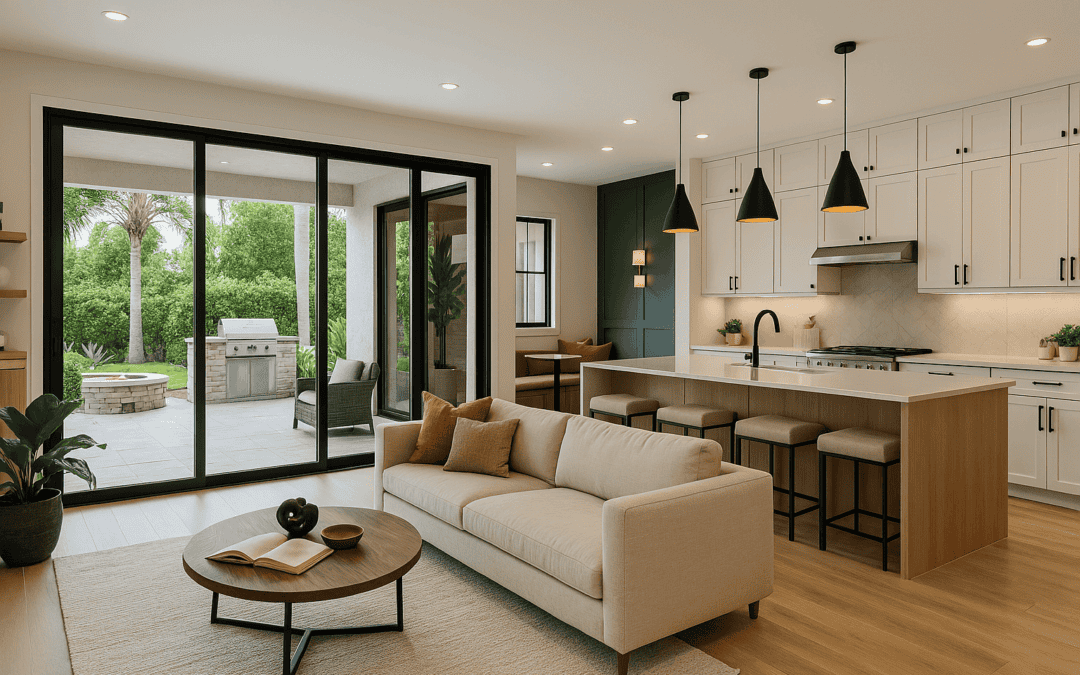
Adding a room to your home can significantly enhance your living experience, providing both functional and aesthetic benefits. One of the most immediate advantages is the increase in usable space. Whether you need an extra bedroom for a growing family, a home office for remote work, or a sunroom for relaxation, a room addition can cater to your specific needs.
This added space not only improves your day-to-day life but can also increase the overall value of your property. Real estate experts often note that homes with additional rooms tend to attract more buyers, making them more marketable in a competitive housing market. Moreover, a room addition can foster a sense of community and togetherness within the household.
For families, having a dedicated space for activities such as game nights, movie marathons, or even quiet reading can strengthen bonds and create lasting memories. Additionally, the flexibility of a new room allows homeowners to adapt their living spaces as their needs evolve over time. For instance, a nursery can transform into a playroom and later into a study area for teenagers.
This adaptability ensures that the investment in a room addition continues to pay dividends long after the construction is complete.
Key Takeaways
- Adding a room can increase your home’s value, functionality, and living space.
- Evaluate your home’s structure and zoning regulations before planning an addition.
- Choose a room type that complements your lifestyle and existing home design.
- Collaborate with professional contractors to ensure quality and compliance.
- Incorporate natural light, energy-efficient features, and high-quality materials for a seamless, appealing, and cost-effective addition.
Assessing Your Home’s Potential for a Room Addition
Before embarking on the journey of adding a room, it is crucial to assess your home’s potential for such an expansion. The first step involves evaluating the existing layout and structure of your home. Consider factors such as the foundation, roofline, and overall architectural style.
Homes with a solid foundation and ample square footage are typically more conducive to room additions. Additionally, zoning laws and building codes in your area may dictate what types of expansions are permissible, so consulting local regulations is essential. Another critical aspect to consider is the available land surrounding your home.
A thorough examination of your property lines will help determine how much space you have for an addition without encroaching on neighboring properties or violating local ordinances. Furthermore, think about how the addition will affect your outdoor space. Will it overshadow your garden or reduce the area available for outdoor activities?
Understanding these dynamics will help you make informed decisions about the feasibility and design of your new room.
Choosing the Right Type of Room Addition for Your Home

Selecting the right type of room addition is pivotal in ensuring that it meets your needs while harmonizing with your existing home. There are several options to consider, each with its unique advantages. A popular choice is a bump-out, which extends an existing room outward without requiring a full foundation.
This option is ideal for creating additional space in kitchens or living rooms without extensive renovations. Alternatively, a full addition involves constructing an entirely new structure that may require more significant alterations to your home’s exterior. Another consideration is whether to build up or out.
Vertical additions, such as adding a second story, can be an excellent solution for homes with limited yard space. This approach not only maximizes square footage but can also provide stunning views and increased natural light if designed thoughtfully. On the other hand, horizontal expansions can create seamless transitions between indoor and outdoor spaces, particularly if you have ample yard space to work with.
Ultimately, the choice will depend on your specific needs, budget, and the architectural style of your home.
Working with a Professional Contractor for Your Room Addition
Engaging a professional contractor is essential for ensuring that your room addition is executed efficiently and effectively. A skilled contractor brings expertise in navigating the complexities of construction, from obtaining necessary permits to adhering to building codes and regulations. They can also provide valuable insights into design options that you may not have considered, helping you maximize both functionality and aesthetics.
When selecting a contractor, it’s important to conduct thorough research. Look for professionals with experience in room additions specifically, as this niche requires knowledge of structural integrity and design principles that differ from standard renovations. Requesting references and reviewing past projects can provide insight into their workmanship and reliability.
Once you’ve chosen a contractor, maintaining open communication throughout the project is vital. Regular updates and discussions about any changes or challenges will help ensure that the final result aligns with your vision.
Maximizing Natural Light and Airflow in Your New Room Addition
| Room Addition | Average Cost | Value Increase (%) | ROI (Return on Investment) | Typical Use |
|---|---|---|---|---|
| Bathroom Addition | 30,000 – 50,000 | 20 – 30 | 70% – 75% | Extra full or half bath |
| Bedroom Addition | 40,000 – 60,000 | 15 – 25 | 65% – 70% | Additional bedroom space |
| Sunroom | 25,000 – 45,000 | 10 – 20 | 60% – 65% | Leisure and relaxation area |
| Home Office | 20,000 – 40,000 | 10 – 15 | 60% – 70% | Work from home space |
| Garage Addition | 25,000 – 50,000 | 15 – 20 | 65% – 70% | Vehicle storage and extra storage |
| Kitchen Expansion | 50,000 – 80,000 | 20 – 30 | 70% – 80% | More space and modern features |
Incorporating natural light and airflow into your new room addition can significantly enhance its ambiance and functionality. Natural light not only makes spaces feel larger and more inviting but also has psychological benefits, improving mood and productivity. To achieve this, consider installing large windows or sliding glass doors that connect the new room to outdoor spaces.
Skylights are another excellent option for bringing in light from above, particularly in areas where wall space may be limited. Airflow is equally important in creating a comfortable environment within your new room. Strategic placement of windows can facilitate cross-ventilation, allowing fresh air to circulate while reducing reliance on artificial heating and cooling systems.
Additionally, incorporating ceiling fans or operable windows can enhance airflow during warmer months. Thoughtful design choices that prioritize both light and air will not only improve the comfort of your new space but also contribute to energy efficiency.
Incorporating Energy-Efficient Features into Your Room Addition
As energy costs continue to rise and environmental concerns become more pressing, incorporating energy-efficient features into your room addition is both a practical and responsible choice. Start by selecting high-performance windows that minimize heat loss during winter months and reduce heat gain in summer. Double or triple-glazed windows with low-emissivity (Low-E) coatings can significantly improve thermal performance while allowing ample natural light.
In addition to windows, consider integrating energy-efficient insulation materials into the walls and roof of your new room. Proper insulation helps maintain consistent indoor temperatures, reducing the need for heating and cooling systems to work overtime. Furthermore, installing energy-efficient lighting fixtures such as LED bulbs can lower electricity consumption while providing adequate illumination for your new space.
By prioritizing energy efficiency in your room addition, you not only reduce utility bills but also contribute positively to environmental sustainability.
Adding Functionality and Versatility to Your Home with a Room Addition
A well-planned room addition can greatly enhance the functionality and versatility of your home. When designing the new space, consider how it can serve multiple purposes over time. For instance, a guest bedroom can double as an office or craft room when not in use by visitors.
This adaptability allows homeowners to maximize their investment by ensuring that every square foot serves a purpose. Incorporating built-in storage solutions into your new room can further enhance its functionality. Custom shelving units or cabinets can help keep the space organized while providing easy access to essential items.
Additionally, consider flexible furniture arrangements that allow for easy reconfiguration based on changing needs or activities. By focusing on versatility in design, you create a dynamic living environment that evolves alongside your lifestyle.
Creating a Seamless Integration with Your Existing Home Design
One of the most critical aspects of adding a room is ensuring that it integrates seamlessly with your existing home design. A well-executed addition should appear as if it has always been part of the original structure rather than an afterthought. To achieve this harmony, pay close attention to architectural details such as rooflines, siding materials, and window styles.
Consulting with an architect or designer can be invaluable in this process. They can help you select materials and design elements that complement your home’s existing aesthetic while also meeting modern standards for functionality and comfort. Additionally, consider how the new room will interact with outdoor spaces; landscaping elements such as pathways or patios can create visual continuity between the old and new sections of your home.
Selecting High-Quality Materials for Your Room Addition
The materials you choose for your room addition play a significant role in its durability, maintenance requirements, and overall aesthetic appeal. Opting for high-quality materials may involve higher upfront costs but can lead to long-term savings through reduced maintenance and increased property value. For example, using durable siding materials like fiber cement or brick can withstand harsh weather conditions while requiring minimal upkeep compared to traditional wood siding.
Additionally, consider sustainable materials that align with eco-friendly building practices. Reclaimed wood or bamboo flooring not only adds character but also reduces environmental impact by repurposing existing resources. When selecting materials, prioritize those that offer both aesthetic appeal and longevity; this approach ensures that your new room remains beautiful and functional for years to come.
Enhancing Curb Appeal and Exterior Aesthetics with a Room Addition
A thoughtfully designed room addition can significantly enhance your home’s curb appeal and exterior aesthetics. The exterior of your home is often the first impression visitors receive; therefore, ensuring that any new construction complements existing features is essential. Consider architectural elements such as roof pitch, eaves, and trim details when designing your addition to create visual cohesion.
Landscaping plays an equally important role in enhancing curb appeal following a room addition. Thoughtful planting around the new structure can soften its appearance while integrating it into the overall landscape design of your property. Pathways leading to entrances or outdoor living areas can also create inviting transitions between indoor and outdoor spaces, further enhancing the overall aesthetic appeal of your home.
Understanding the Return on Investment for a Room Addition
When considering a room addition, understanding its potential return on investment (ROI) is crucial for making informed financial decisions. Generally speaking, well-planned additions tend to yield favorable returns when it comes time to sell your home. According to various real estate studies, homeowners can expect to recoup approximately 50% to 70% of their investment in a room addition upon resale; however, this figure can vary based on factors such as location, market conditions, and quality of construction.
To maximize ROI, focus on additions that align with current market trends and buyer preferences in your area. For instance, adding an extra bedroom or bathroom often appeals to families looking for more space while enhancing property value significantly. Additionally, ensuring that the addition is completed with high-quality materials and craftsmanship will not only improve livability but also attract potential buyers when it comes time to sell.
By carefully considering both immediate needs and long-term investment potential, homeowners can make strategic decisions regarding their room additions that benefit them now and in the future.
When considering room additions that can significantly boost your home’s value, it’s also essential to stay informed about the latest trends in home improvement. For insights on revitalizing your living space, you can check out this article on trends and tips for 2024. This resource provides valuable information that can help you make informed decisions about your home renovation projects.
FAQs
What types of room additions typically increase home value?
Common room additions that boost home value include adding a master suite, extra bedrooms, a home office, sunrooms, and finished basements. These additions increase living space and functionality, which are attractive to buyers.
How much does a room addition usually cost?
The cost of a room addition varies widely depending on size, materials, location, and complexity. On average, homeowners can expect to pay between $20,000 and $100,000 or more for a quality addition.
Do all room additions add equal value to a home?
No, not all room additions add the same value. Additions that improve daily living, such as extra bedrooms or bathrooms, tend to add more value than specialty rooms. The quality of construction and how well the addition blends with the existing home also affect value.
Is it necessary to get permits for room additions?
Yes, most local governments require permits for room additions to ensure safety and compliance with building codes. Failing to obtain permits can lead to fines and difficulties when selling the home.
How long does it take to complete a room addition?
The timeline for a room addition depends on the project’s size and complexity but typically ranges from a few weeks to several months.
Can a room addition increase property taxes?
Yes, adding square footage or improving a home can increase its assessed value, which may lead to higher property taxes.
Should I hire a professional for a room addition?
Hiring licensed architects, contractors, and designers is recommended to ensure the addition is safe, code-compliant, and adds maximum value to your home.
How do room additions affect home resale value?
Well-planned and executed room additions generally increase resale value by expanding usable space and improving home appeal, making the property more attractive to potential buyers.