

One of the most critical missteps in any construction or renovation project is the absence of a well-thought-out plan and budget. Without a clear roadmap, homeowners often find themselves lost in a sea of choices, leading to confusion and frustration. A comprehensive plan should outline the project’s goals, timelines, and financial constraints.
This includes not only the cost of materials and labor but also potential unforeseen expenses that may arise during the course of the project. For instance, if a homeowner decides to remodel their kitchen without a detailed budget, they may end up overspending on high-end appliances while neglecting essential structural updates, such as plumbing or electrical work. Moreover, a lack of planning can lead to significant delays and miscommunication among all parties involved.
When homeowners fail to establish a timeline, contractors may struggle to allocate resources effectively, resulting in extended project durations. This can be particularly problematic if the project involves multiple contractors or subcontractors, as each party may have different expectations regarding timelines and deliverables. A well-structured plan not only helps in managing costs but also ensures that everyone is on the same page, reducing the likelihood of conflicts and misunderstandings.
Key Takeaways
- Proper planning and budgeting are crucial to avoid costly mistakes in home renovations.
- Selecting a qualified contractor and securing necessary permits ensures compliance and quality work.
- Understanding the full scope and future resale value helps in making informed renovation decisions.
- Clear communication and thoughtful design choices enhance project outcomes and space functionality.
- Allowing contingency funds and avoiding rushed timelines prevent unexpected delays and expenses.
Choosing the Wrong Contractor
Selecting the right contractor is paramount to the success of any construction or renovation project. Unfortunately, many homeowners make the mistake of choosing a contractor based solely on price rather than qualifications or experience. While it may be tempting to go with the lowest bid, this approach can lead to subpar workmanship and costly mistakes down the line.
A reputable contractor should have a proven track record, positive reviews from previous clients, and the necessary licenses and insurance to operate legally. For example, a homeowner who hires an unlicensed contractor may find themselves liable for any accidents or injuries that occur on the job site. Additionally, effective communication is essential when working with a contractor.
Homeowners should take the time to interview potential candidates, asking about their experience with similar projects and their approach to problem-solving. A contractor who is willing to listen to the homeowner’s ideas and concerns is more likely to deliver a satisfactory outcome. Furthermore, establishing a clear contract that outlines the scope of work, payment schedule, and timeline can help prevent misunderstandings and ensure that both parties are aligned throughout the project.
Ignoring Necessary Permits and Regulations

Navigating the maze of permits and regulations can be daunting for homeowners embarking on a construction or renovation project. However, ignoring these legal requirements can lead to severe consequences, including fines, project delays, or even having to dismantle completed work. Each municipality has its own set of building codes and regulations designed to ensure safety and compliance.
For instance, a homeowner who decides to add an extension without obtaining the necessary permits may find themselves facing legal action from local authorities. Moreover, obtaining permits often involves inspections at various stages of the project, which can help identify potential issues before they escalate. For example, if a homeowner is renovating their bathroom and fails to secure plumbing permits, they may inadvertently install fixtures that do not meet code requirements.
This oversight could result in costly rework or even damage to the home due to improper installations. Engaging with local building departments early in the planning process can help homeowners understand what permits are required and streamline the approval process.
Underestimating the Scope of the Project
Underestimating the scope of a construction or renovation project is a common pitfall that can lead to significant complications. Homeowners often envision a straightforward update but fail to account for underlying issues that may arise during the process. For example, when renovating an older home, it is not uncommon to discover outdated electrical wiring or plumbing that needs to be replaced.
If these issues are not factored into the initial scope of work, homeowners may find themselves facing unexpected costs and delays. Additionally, failing to consider all aspects of a project can result in incomplete or unsatisfactory outcomes. A homeowner who decides to remodel their living room without addressing adjacent spaces may end up with a disjointed aesthetic that detracts from the overall appeal of their home.
It is crucial for homeowners to take a holistic approach when planning renovations, considering how each element will interact with others within the space. Engaging professionals who can provide insights into potential challenges can help ensure that all aspects of the project are adequately addressed.
Neglecting to Consider Future Resale Value
| Renovation Mistake | Description | Impact | How to Avoid |
|---|---|---|---|
| Poor Planning | Starting without a clear plan or budget | Delays, cost overruns, and design issues | Create a detailed plan and realistic budget before starting |
| Ignoring Permits | Failing to obtain necessary permits | Legal issues and potential fines | Check local regulations and secure all required permits |
| Choosing the Cheapest Contractor | Hiring based solely on low cost | Poor workmanship and project delays | Research, check references, and prioritize quality |
| Underestimating Time | Not allowing enough time for project completion | Stress and rushed work | Build in buffer time for unexpected delays |
| Skipping Inspections | Not inspecting work at key stages | Hidden defects and costly repairs later | Schedule regular inspections during the project |
| Over-customizing | Making overly personalized design choices | Reduced resale value and limited appeal | Balance personal taste with market trends |
| Ignoring Structural Issues | Focusing only on cosmetic changes | Safety hazards and future costly repairs | Address structural problems before cosmetic work |
When embarking on a renovation project, many homeowners focus solely on their immediate needs and preferences without considering how their choices will impact future resale value. While it is essential to create a space that meets personal tastes, it is equally important to think about how potential buyers will perceive those changes down the line. For instance, opting for highly personalized design elements—such as bold paint colors or unique fixtures—may not appeal to a broader audience when it comes time to sell.
Moreover, certain renovations tend to yield higher returns on investment than others. Kitchen and bathroom remodels are often cited as some of the most valuable improvements homeowners can make, as they significantly enhance functionality and aesthetics. Conversely, extravagant additions like swimming pools or elaborate landscaping may not provide a comparable return when selling the property.
Homeowners should conduct thorough research on market trends and consult with real estate professionals to ensure that their renovation choices align with potential buyers’ preferences.
Overlooking the Importance of Quality Materials
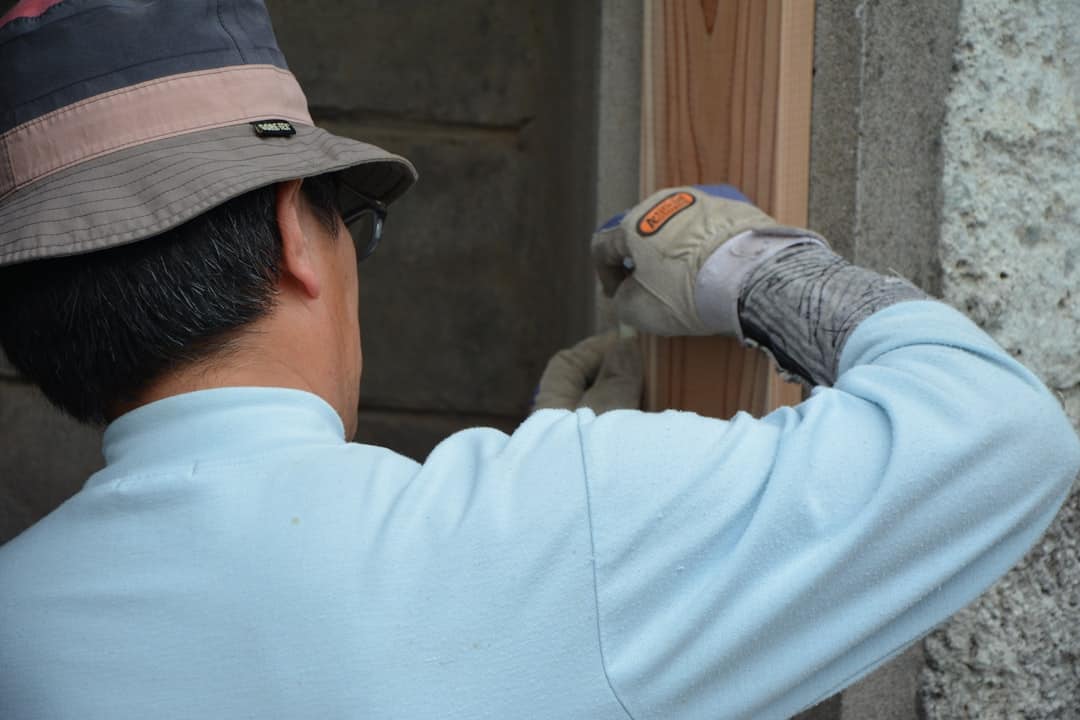
The choice of materials used in construction or renovation projects plays a pivotal role in determining both durability and aesthetic appeal. Many homeowners make the mistake of prioritizing cost over quality when selecting materials, leading to long-term issues that could have been avoided. For example, opting for low-quality flooring may save money upfront but could result in premature wear and tear, necessitating costly replacements sooner than expected.
In addition to durability concerns, high-quality materials often contribute significantly to the overall look and feel of a space. A kitchen outfitted with premium cabinetry and countertops not only enhances functionality but also elevates the home’s aesthetic value. Homeowners should consider investing in materials that offer both longevity and visual appeal, as this can ultimately enhance their enjoyment of the space while also increasing its market value.
Failing to Communicate Clearly with the Contractor
Effective communication between homeowners and contractors is essential for ensuring that projects run smoothly and meet expectations. Unfortunately, many homeowners fail to articulate their vision clearly or neglect to provide feedback throughout the process. This lack of communication can lead to misunderstandings regarding design choices, timelines, and budgets.
For instance, if a homeowner does not express their preferences for specific finishes or layouts upfront, they may be disappointed with the final result. Regular check-ins with contractors can help maintain open lines of communication and address any concerns as they arise. Homeowners should feel empowered to ask questions and seek clarification on any aspect of the project that is unclear.
Establishing a collaborative relationship with contractors fosters an environment where both parties feel comfortable discussing challenges and brainstorming solutions together.
Making Impulsive Design Decisions
The excitement of embarking on a renovation project can sometimes lead homeowners to make impulsive design decisions that they later regret. In an effort to create a unique space, individuals may choose trendy elements that quickly become outdated or clash with existing features in their home. For example, selecting an overly bold wallpaper pattern might seem appealing at first but could overwhelm the space once installed.
To avoid such pitfalls, homeowners should take time to carefully consider their design choices before committing to them. Creating mood boards or gathering inspiration from various sources can help clarify personal style while ensuring that decisions align with overall goals for the space. Additionally, consulting with design professionals can provide valuable insights into timeless design principles that will stand the test of time.
Neglecting to Consider the Functionality of the Space
While aesthetics are undoubtedly important in any renovation project, functionality should never be overlooked. Homeowners often become so focused on creating visually appealing spaces that they forget to consider how those spaces will be used in everyday life. For instance, designing an open-concept kitchen without adequate storage solutions may lead to cluttered countertops and frustration during meal preparation.
To ensure that renovations enhance both form and function, homeowners should assess how they intend to use each space before making design decisions. This might involve considering factors such as traffic flow, accessibility, and storage needs. Engaging with professionals who specialize in space planning can provide valuable insights into optimizing layouts for maximum efficiency while still achieving desired aesthetics.
Not Allowing for Contingency Funds
One of the most common oversights in construction projects is failing to set aside contingency funds for unexpected expenses. Renovations often come with surprises—whether it’s discovering hidden damage behind walls or needing additional materials due to design changes—so having a financial buffer is crucial for staying on track financially. Experts recommend allocating at least 10-20% of the total budget for contingencies to account for these unforeseen circumstances.
Without contingency funds in place, homeowners may find themselves forced to make difficult decisions mid-project—such as cutting corners on quality or delaying certain aspects of the renovation altogether—due to budget constraints. By planning ahead and setting aside extra funds from the outset, homeowners can navigate challenges more effectively while maintaining their vision for the project.
Rushing the Project
In an effort to see results quickly, many homeowners rush through construction or renovation projects without giving adequate time for planning or execution. This haste can lead not only to mistakes but also to subpar workmanship that compromises both safety and aesthetics. For example, if a homeowner pressures contractors to complete work ahead of schedule without allowing sufficient time for proper installation techniques or drying times for materials like paint or adhesives, they may end up with issues such as peeling paint or structural instability.
Taking time during each phase of a project is essential for ensuring quality outcomes that meet expectations. Homeowners should establish realistic timelines based on thorough planning rather than arbitrary deadlines driven by impatience or external pressures. By allowing adequate time for each stage—from design development through construction—homeowners can achieve results that reflect their vision while minimizing costly errors along the way.
When planning a renovation project, it’s crucial to be aware of common pitfalls that can derail your efforts. To ensure a smooth experience, you might find it helpful to read about the essential questions to ask when hiring a contractor. This can help you avoid miscommunication and ensure that your project runs efficiently. For more insights, check out the article on what to ask when hiring a contractor.
FAQs
What are common renovation mistakes to avoid?
Common renovation mistakes include poor planning, underestimating the budget, neglecting permits and regulations, choosing the wrong contractor, and failing to communicate clearly with all parties involved.
Why is planning important before starting a renovation project?
Planning helps define the scope, budget, and timeline of the project, reducing the risk of unexpected issues, cost overruns, and delays. It ensures that all necessary materials and permits are accounted for in advance.
How can I avoid going over budget during a renovation?
To avoid budget overruns, create a detailed budget with a contingency fund for unexpected expenses, get multiple quotes from contractors, and prioritize essential work over optional upgrades.
What should I consider when hiring a contractor?
Check the contractor’s credentials, experience, references, and reviews. Ensure they are licensed and insured, provide a clear contract, and communicate effectively throughout the project.
Do I need permits for my renovation project?
Most renovation projects require permits to ensure the work complies with local building codes and safety standards. Check with your local building department to determine which permits are necessary.
How can poor communication affect a renovation project?
Poor communication can lead to misunderstandings, mistakes, delays, and increased costs. Clear and regular communication between homeowners, contractors, and suppliers is essential for a smooth renovation.
What are the risks of not setting a realistic timeline?
An unrealistic timeline can cause rushed work, lower quality results, increased stress, and potential conflicts with contractors. Allowing sufficient time helps ensure thorough and careful completion of the project.
How can I ensure quality workmanship during renovation?
Hire reputable professionals, check their previous work, stay involved in the project, and conduct regular inspections to ensure the work meets agreed-upon standards and specifications.
Is it important to consider resale value during renovation?
Yes, focusing on improvements that enhance the home’s value and appeal to potential buyers can provide a better return on investment if you plan to sell the property in the future.
What should I do if unexpected issues arise during renovation?
Address unexpected issues promptly by consulting with your contractor, adjusting the budget or timeline if necessary, and maintaining open communication to find practical solutions.

