
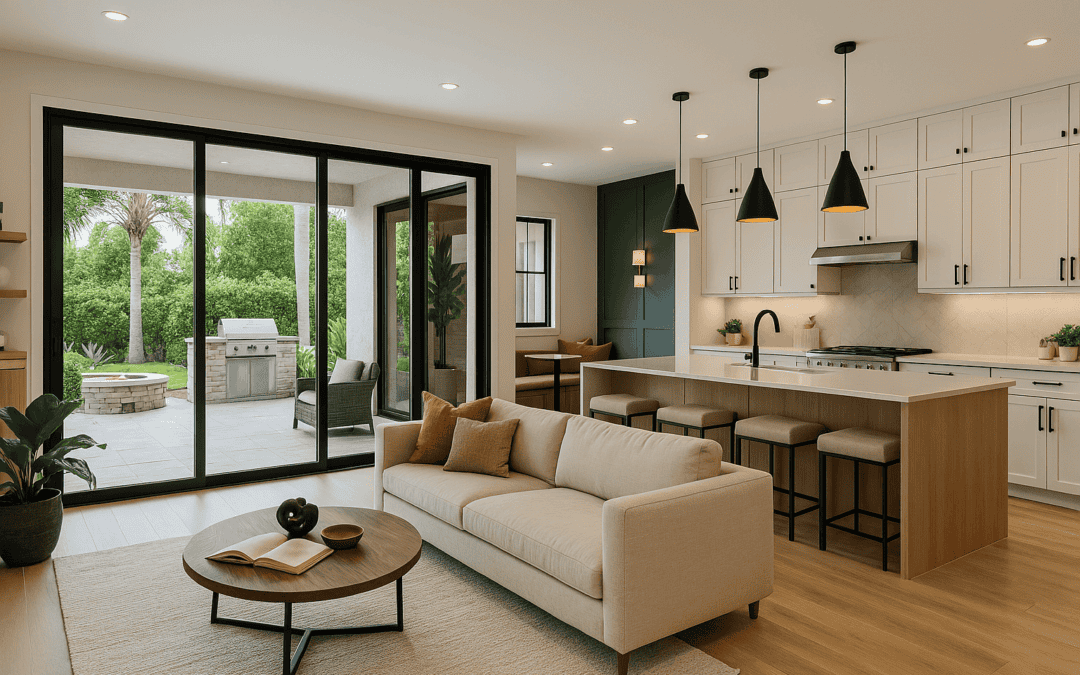
Before embarking on any construction or renovation project, it is crucial to take a step back and assess your needs and goals. This initial phase serves as the foundation for the entire project, guiding decisions and ensuring that the final outcome aligns with your vision. Begin by asking yourself what you hope to achieve.
Are you looking to expand your living space, improve functionality, or enhance aesthetic appeal? Perhaps your goal is to increase property value or create a more energy-efficient home. Clearly defining these objectives will help streamline the planning process and provide clarity when making design choices.
In addition to identifying your primary goals, consider the specific needs of all household members. For instance, if you have young children or elderly relatives living with you, safety and accessibility may be paramount. Alternatively, if you frequently entertain guests, an open-concept layout or a spacious kitchen might be high on your priority list.
Engaging in discussions with family members can uncover diverse perspectives and needs that may not have been initially considered. Documenting these insights will serve as a valuable reference throughout the project, ensuring that the final design accommodates everyone’s requirements.
Key Takeaways
- Clearly define your needs, goals, and budget before starting a renovation project.
- Research design styles and hire qualified professionals to ensure quality results.
- Obtain all necessary permits and create a realistic project timeline.
- Choose materials that balance aesthetics, durability, and energy efficiency.
- Oversee construction carefully and add personal touches during final stages for a customized finish.
Setting a Realistic Budget
Once you have a clear understanding of your needs and goals, the next step is to establish a realistic budget. This financial framework will dictate the scope of your project and influence many of your decisions moving forward. Begin by determining how much you can comfortably allocate to the project without compromising your financial stability.
It is essential to consider not only the direct costs associated with construction but also indirect expenses such as permits, inspections, and potential contingencies for unexpected issues that may arise. To create a comprehensive budget, research the average costs associated with similar projects in your area. This can involve consulting with local contractors, reviewing online resources, or even speaking with friends or neighbors who have recently completed renovations.
Once you have a ballpark figure, break down the budget into categories such as labor, materials, and design fees. This detailed approach will help you identify areas where you may need to adjust your expectations or explore cost-saving alternatives without sacrificing quality.
Researching Design and Style Options

With a budget in place, it’s time to delve into the exciting world of design and style options. This phase allows you to explore various aesthetics that resonate with your personal taste while also considering functionality. Start by gathering inspiration from multiple sources, including design magazines, online platforms like Pinterest or Houzz, and even visiting local showrooms.
Pay attention to current trends as well as timeless styles that may suit your home’s architecture. As you research, think about how different design elements can work together cohesively. For example, if you are drawn to a modern minimalist style, consider how furniture choices, color palettes, and lighting fixtures can complement this aesthetic.
Alternatively, if you prefer a more traditional look, explore classic materials such as wood and stone that can add warmth and character to your space. Creating mood boards or digital collages can help visualize how various elements will come together, making it easier to communicate your vision to professionals later in the process.
Hiring the Right Professionals
Selecting the right professionals is a critical step in ensuring the success of your project. The expertise of architects, designers, contractors, and subcontractors can significantly impact both the quality of work and the overall experience. Start by seeking recommendations from friends or family who have undertaken similar projects.
Online reviews and ratings can also provide valuable insights into potential candidates’ reputations. When interviewing professionals, ask about their experience with projects similar to yours and request examples of their previous work. It’s essential to gauge their communication style and responsiveness as well; a good working relationship can make a significant difference in navigating challenges that may arise during construction.
Additionally, ensure that any professionals you consider are properly licensed and insured to protect yourself from potential liabilities.
Obtaining Necessary Permits and Approvals
| Step | Action | Key Considerations | Estimated Timeframe | Typical Cost Range |
|---|---|---|---|---|
| 1 | Assess Current Home Condition | Identify areas needing improvement, prioritize urgent repairs | 1-2 weeks | Low to Moderate |
| 2 | Set Budget | Consider savings, financing options, and contingency funds | 1 week | Varies |
| 3 | Research and Plan Upgrades | Focus on value-adding improvements, energy efficiency, and style | 2-4 weeks | Moderate to High |
| 4 | Hire Professionals | Get multiple quotes, check references, verify licenses | 2-3 weeks | Varies |
| 5 | Obtain Permits | Check local regulations and required permits | 1-4 weeks | Low |
| 6 | Schedule and Execute Work | Coordinate timelines, prepare for disruptions | 1-3 months | High |
| 7 | Final Inspection and Touch-ups | Ensure quality, address any issues | 1-2 weeks | Low |
| 8 | Enjoy Upgraded Home | Maintain improvements regularly | Ongoing | Maintenance Costs |
Before breaking ground on your project, it is imperative to obtain all necessary permits and approvals from local authorities. This step is often overlooked but is crucial for ensuring compliance with building codes and regulations. The specific permits required will vary depending on the scope of your project and local laws; common examples include building permits for structural changes, electrical permits for wiring updates, and plumbing permits for any modifications to water systems.
To navigate this process efficiently, consult with your contractor or architect, as they often have experience dealing with local permitting offices. They can help you understand what documentation is needed and guide you through the application process. Be prepared for potential delays; obtaining permits can take time, especially if additional inspections or approvals are required.
Starting this process early will help keep your project on track.
Creating a Timeline for the Project

Establishing a realistic timeline is essential for managing expectations throughout the construction process. A well-structured timeline outlines key milestones and deadlines for each phase of the project, from initial planning through to completion. Begin by discussing your desired timeline with your contractor; they can provide insights into how long various tasks typically take based on their experience.
When creating your timeline, consider factors such as seasonal weather conditions that may impact construction schedules or potential delays due to permit approvals. It’s also wise to build in some buffer time for unexpected issues that may arise during construction. Regularly reviewing and updating the timeline as the project progresses will help keep everyone accountable and ensure that any necessary adjustments are made promptly.
Selecting Materials and Finishes
The selection of materials and finishes plays a pivotal role in defining the overall look and feel of your space while also impacting durability and maintenance requirements. Begin by considering both aesthetic preferences and practical considerations such as longevity and ease of upkeep. For example, if you are renovating a kitchen, think about materials for countertops—granite offers durability but requires sealing, while quartz provides a low-maintenance alternative.
As you explore options for flooring, cabinetry, fixtures, and other finishes, it’s beneficial to request samples whenever possible. This allows you to see how different materials interact with one another in your space’s lighting conditions. Additionally, consider how these choices align with your budget; some high-end materials may offer stunning visuals but could stretch your finances thin if not carefully balanced with more affordable options.
Considering Energy Efficiency and Sustainability
In today’s environmentally conscious world, incorporating energy efficiency and sustainability into your project is not only responsible but can also lead to long-term cost savings. Start by evaluating energy-efficient appliances and systems that can reduce utility bills over time. For instance, opting for Energy Star-rated appliances in your kitchen can significantly lower energy consumption compared to standard models.
Beyond appliances, consider sustainable building materials that minimize environmental impact while enhancing your home’s performance. Reclaimed wood for flooring or countertops not only adds character but also reduces demand for new resources. Additionally, exploring options for solar panels or energy-efficient windows can further enhance sustainability while potentially increasing property value.
Managing the Construction Process
Effective management of the construction process is vital for ensuring that everything runs smoothly from start to finish. This involves regular communication with your contractor and subcontractors to monitor progress against the established timeline and budget. Schedule regular check-ins to discuss any challenges that may arise and address them promptly before they escalate into larger issues.
It’s also important to maintain an organized site throughout construction. Clear communication regarding expectations for cleanliness and safety can help prevent accidents and ensure that workers are focused on their tasks without unnecessary distractions. Keeping an open line of communication with all parties involved fosters collaboration and helps maintain momentum throughout the project.
Incorporating Personal Touches and Customization
As your project nears completion, it’s time to infuse personal touches that reflect your unique style and preferences. Customization can elevate a space from ordinary to extraordinary by adding elements that resonate with your personality or tell a story about your life experiences. Consider incorporating artwork or family heirlooms into the design; these items not only enhance aesthetics but also create emotional connections within the space.
Additionally, think about how you can personalize functional aspects of your home. For example, if you love cooking, designing a kitchen layout that caters specifically to your culinary habits—such as including specialized storage for spices or utensils—can enhance both usability and enjoyment in the space. These thoughtful details contribute significantly to making a house feel like a home.
Completing the Finishing Touches and Final Inspections
As the project approaches its conclusion, focus on completing those final touches that will bring everything together seamlessly. This includes installing hardware on cabinets, adding decorative elements like light fixtures or window treatments, and ensuring that all paintwork is flawless. These finishing touches are often what elevate a space from being merely functional to truly beautiful.
Once all work is completed, conduct thorough final inspections alongside your contractor to ensure everything meets quality standards and adheres to local building codes. This step is crucial for identifying any last-minute adjustments needed before officially moving in or unveiling the space to guests. Taking the time to address these details ensures that you can enjoy your newly renovated area without lingering concerns about unfinished work or potential issues down the line.
When planning the perfect home upgrade, it’s essential to consider not only the design and functionality but also the professionals you will need to hire for the project. A related article that can provide valuable insights is What to Ask When Hiring a Contractor, which outlines key questions to ensure you choose the right contractor for your home improvement needs. This resource can help you navigate the hiring process and set the stage for a successful upgrade.
FAQs
What is the first step in planning a home upgrade?
The first step is to assess your current home’s condition and identify areas that need improvement or renovation. This includes setting a clear budget and determining your goals for the upgrade.
How do I set a realistic budget for a home upgrade?
To set a realistic budget, research the costs of materials, labor, permits, and any unexpected expenses. It’s advisable to add a contingency of 10-20% to cover unforeseen costs.
Should I hire a professional for my home upgrade project?
Hiring professionals such as architects, contractors, or interior designers can ensure quality work and help manage the project efficiently. For complex upgrades, professional assistance is highly recommended.
How long does a typical home upgrade take?
The duration varies depending on the scope of the project. Minor upgrades may take a few weeks, while major renovations can take several months. Planning and scheduling are key to managing timelines.
What permits are required for home upgrades?
Permit requirements depend on local regulations and the type of upgrade. Structural changes, electrical, plumbing, and major renovations usually require permits. Check with your local building authority before starting.
How can I minimize disruption during a home upgrade?
Plan the project in phases, communicate clearly with contractors, and create temporary living arrangements if necessary. Keeping the work area organized and maintaining a schedule can also reduce disruption.
What are some common mistakes to avoid when planning a home upgrade?
Common mistakes include underestimating costs, neglecting permits, poor planning, choosing low-quality materials, and not hiring qualified professionals. Proper research and planning can help avoid these issues.
How do I choose the right materials for my home upgrade?
Consider durability, maintenance, aesthetics, and budget when selecting materials. Research product reviews and consult with professionals to ensure the materials suit your needs and climate.
Can a home upgrade increase my property value?
Yes, well-planned and executed home upgrades can increase property value by improving functionality, aesthetics, and energy efficiency. Focus on upgrades that appeal to potential buyers if resale is a goal.
What should I consider when planning energy-efficient upgrades?
Look for energy-efficient appliances, insulation, windows, and lighting. Consider renewable energy options like solar panels. Energy-efficient upgrades can reduce utility bills and improve home comfort.